One question I get more than almost any other: “Do I really have to eat protein within 30 minutes of training, or did I waste my workout?”
The short answer: no, you didn’t. The 30-minute “anabolic window” is one of the most repeated — and most misunderstood — pieces of advice in fitness. It’s been outdated for over a decade, but the myth refuses to die.
Here’s what the current evidence actually says, and what genuinely matters for recovery, body composition, and performance.
Where the “anabolic window” idea came from
In the 1990s and early 2000s, several short-term studies showed that consuming protein and carbohydrates immediately after resistance training increased muscle protein synthesis (MPS) more than waiting hours afterward. The conclusion in supplement marketing — and quickly in gym culture — became: if you don’t drink your shake within 30 minutes, you lose your gains.
That conclusion was always a stretch. The studies measured a short-term biomarker (MPS over a few hours) in fasted subjects, not real-world muscle growth across weeks of training in normally-fed people.
What the current research shows
Two large reviews changed the conversation. Aragon and Schoenfeld’s 2013 review in the Journal of the International Society of Sports Nutrition examined the timing literature and concluded that the “window of opportunity” extends well beyond 30 minutes — likely closer to several hours on either side of a training session for most people.
A follow-up meta-analysis in 2013 found no statistically meaningful difference in muscle hypertrophy between athletes consuming protein within an hour of training versus those consuming it 2–3 hours later, provided total daily protein intake was matched.
The current consensus from organizations like the International Society of Sports Nutrition is clear: precise post-workout timing is a minor variable. What matters far more is what you do across the whole day — and the whole week.
The three things that actually matter
1. Total daily protein
If you’re training to build or preserve muscle, the single most important nutritional variable is total daily protein intake — typically 1.6–2.2 grams per kilogram of body weight per day for active individuals. Hitting this number consistently outweighs almost any timing strategy.
For an 80 kg person, that’s around 130–175 g of protein per day. Whether 30 g of that comes immediately after lifting or 2 hours later is essentially irrelevant if you’re hitting the daily total.
2. Distribution across the day
Spreading protein across 3–4 meals, each containing roughly 0.4 g/kg of body weight (~30–40 g for most adults), maximizes muscle protein synthesis better than dumping it all into one or two meals. This is partly why “3 squares plus a snack” works so well — it’s distribution by accident.
So the practical question isn’t “did I eat right after the gym” — it’s “have I had a meal with protein in the last 3–4 hours, and will I have another in the next 3–4?” If yes, you’re fine.
3. Total energy
If your goal is to gain muscle or maintain performance, you need to eat enough total food. If your goal is fat loss, you need to be in a slight deficit — but not so steep that it crushes recovery. Both states are decided by the day’s overall intake, not by what happens in the 30 minutes after a workout.
The exceptions — when timing actually does matter
There are a few specific scenarios where post-workout nutrition timing genuinely matters:
- Two-a-day or back-to-back training — endurance athletes, combat sports athletes (judo, BJJ, MMA) who train multiple sessions in a day need to refuel quickly to restore muscle glycogen between sessions. Here, eating within 30–60 minutes is meaningful.
- Fasted morning training — if you train fasted, your body has been without protein for 8+ hours. Eating soon after is reasonable to restart muscle protein synthesis.
- Long-duration endurance work — sessions over 90 minutes deplete glycogen significantly; faster carbohydrate replenishment helps performance the next day.
For everyone else — including the typical strength-training, body-recomposition, or general health client — timing is one of the lowest-leverage things to optimize.
What I actually recommend
Pragmatic, simple, and based on the real evidence:
- Eat a normal balanced meal within 1–3 hours after training. No need to rush from the gym to the blender.
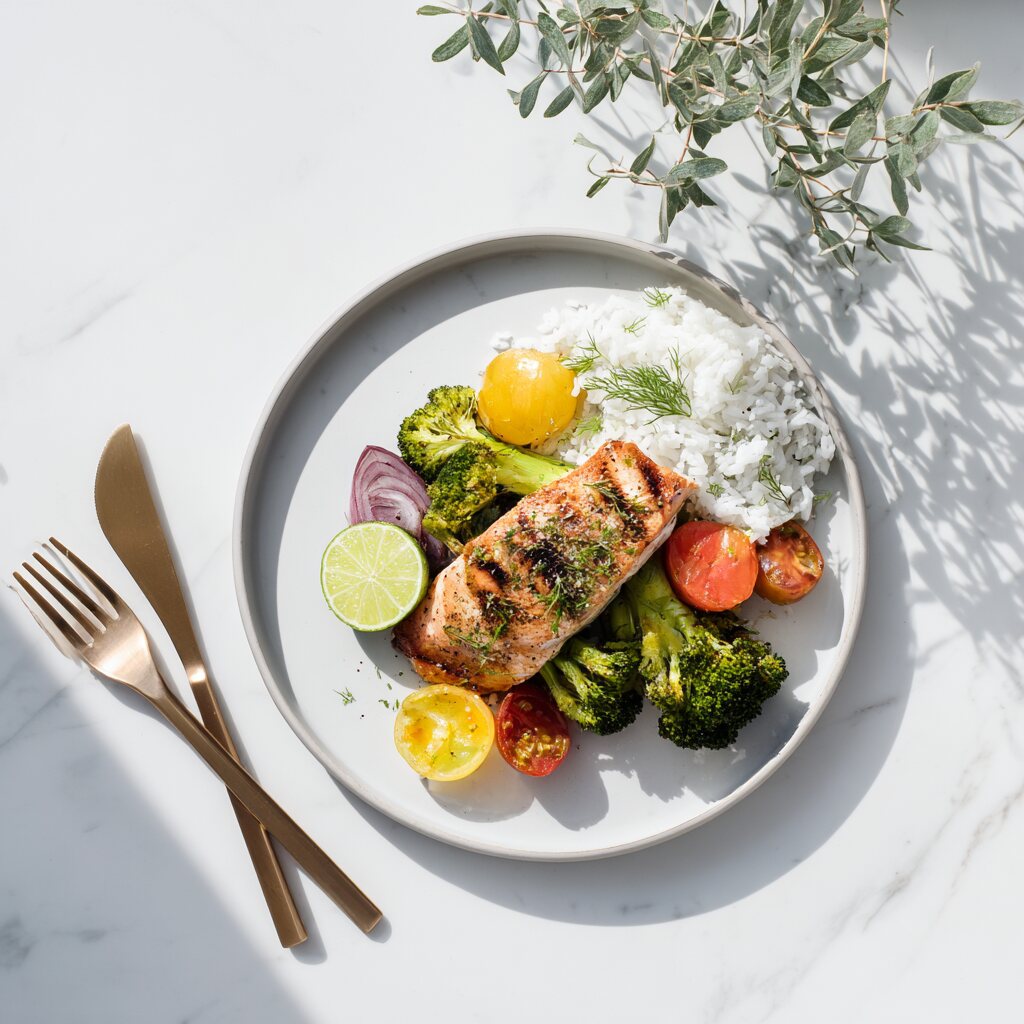
- Make sure that meal contains 25–40 g of protein — chicken, fish, eggs, dairy, tofu, lentils, or a protein shake all work.
- Include carbohydrates if you trained hard or have another session coming up. Rice, potatoes, fruit, oats — anything you’d normally eat.
- Hit your daily protein target across 3–4 meals. This matters far more than any single meal’s timing.
- Hydrate. Often overlooked. Replacing fluids matters more than most “post-workout” advice combined.
A few sample post-training meals
- Grilled chicken, basmati rice, mixed vegetables, olive oil
- Eggs and whole-grain toast with avocado and a piece of fruit
- Greek yogurt with honey, berries, and granola
- Tofu stir-fry with rice and a side of edamame
- A protein shake with banana and oats — only if you don’t have time for a full meal
These are not magic. They’re regular meals. That’s exactly the point.
The bottom line
If you’re a recreational lifter, runner, or general fitness enthusiast — stop stressing about the post-workout window. Eat normally. Hit your daily protein. Stay hydrated. Sleep enough. Train consistently.
The clients who make the most consistent progress are the ones who got off the timing-and-supplements treadmill and focused on the fundamentals that actually move the needle: total intake, regular meals, and consistency over months.
That’s not as exciting as a 30-minute deadline. But it’s what the research supports — and what actually works.
Want help applying this to your own training and goals? Book a free 15-minute discovery call and we’ll talk through where you are now and what would move you forward.